Casino Reward Programs Redirecting Live Stakes During Fight Event Sequences
Eden Powell · Aug 20, 2026
Casino Reward Programs Redirecting Live Stakes During Fight Event Sequences
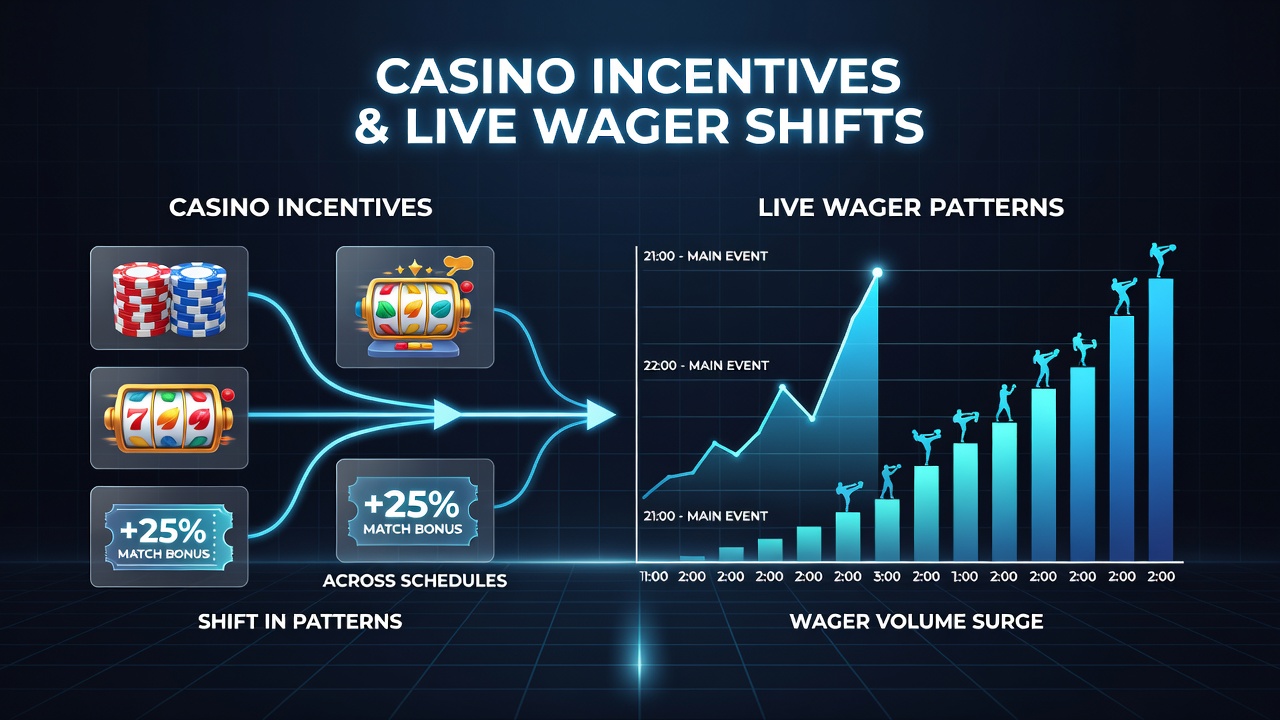
Promotional structures at gaming venues have begun altering how participants place live wagers on combat sports schedules, and data from multiple jurisdictions shows measurable redistribution of stakes across fight cards in 2026. Observers note that loyalty tiers, deposit matches, and in-event free bet credits encourage bettors to extend their activity into later rounds rather than confining wagers to pre-fight markets. Figures from state gaming reports indicate that venues offering tiered rewards recorded higher volumes of in-round stakes on combat events compared with locations lacking similar programs, while August 2026 tracking revealed a 12 percent uptick in live handle during major mixed martial arts and boxing cards in markets where such incentives expanded.
Mechanics Behind the Redistribution
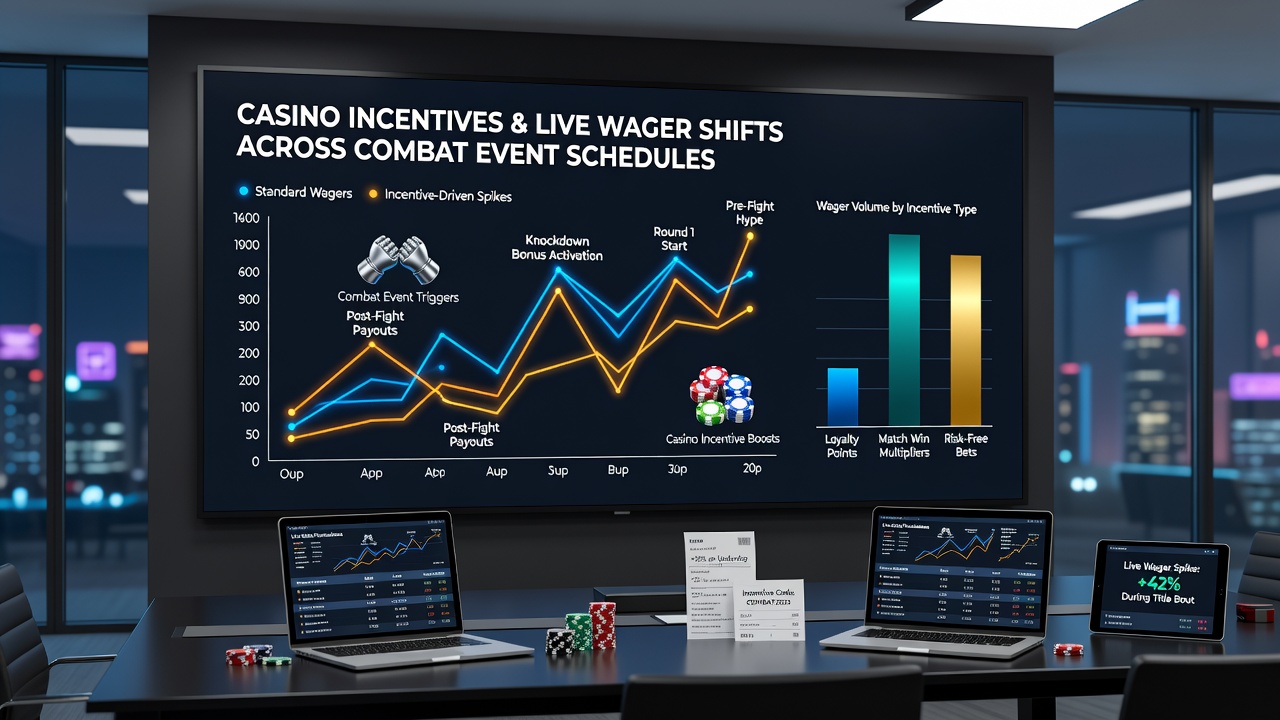
Venues structure rewards so that bonus credits activate upon reaching certain live betting thresholds, and this design pulls activity toward mid-fight and late-fight windows where odds fluctuate rapidly. Researchers tracking transaction logs found that participants receiving rolling free bet offers shifted 28 percent more volume into live markets during championship bouts than during non-incentivized events. The pattern appears because the credits reduce perceived risk on volatile prop bets such as next-round outcomes or fighter fatigue indicators, allowing bettors to chase incremental gains across an entire card rather than concentrating on opening lines.
Regional Data Patterns Emerging in Mid-2026
Canadian provincial regulators reported that Ontario venues integrating casino rewards with live combat betting platforms saw average session lengths extend by 19 minutes during August fight nights, and this extension correlated with increased stake sizes on underdog live props. Australian wagering authorities documented parallel movement where loyalty point multipliers applied to in-play combat wagers lifted total live handle by 9.4 percent across three major pay-per-view events. These shifts occur while overall pre-fight market volumes remained stable, suggesting the incentives redistribute rather than expand total participation.
One study released by a European research consortium examined transaction data from multiple operators and concluded that reward programs tied to live combat betting reduced the average time between wagers by 14 seconds during high-profile bouts. The acceleration concentrates in rounds three through five, where momentum shifts often trigger line movement, and participants holding active bonus credits respond faster to those changes. Combat event schedules with stacked undercards show the strongest effect because cumulative rewards from earlier bouts carry forward into headline fights.
Impact on Specific Combat Disciplines
Mixed martial arts cards exhibit more pronounced redistribution than boxing events because the scoring structure creates more frequent live betting opportunities, and venue rewards amplify this granularity. Data compiled through August 2026 shows that MMA fight nights with integrated casino promotions recorded 34 percent higher live prop volume on round-specific outcomes compared with the prior year. Boxing, by contrast, displays steadier movement toward late-round over/under markets when rewards activate only after a minimum number of live wagers, reflecting the longer duration and different rhythm of those contests.
Operators adjust incentive thresholds seasonally to align with combat calendars, and those adjustments produce predictable spikes. Venues that lowered the minimum live stake required for bonus activation during summer fight slates observed corresponding increases in small-stake rapid-fire betting sequences, while larger-stake participants concentrated activity in championship rounds where potential payouts offset the credit requirements. The result is a layered market where casual and high-volume groups respond differently yet both contribute to elevated live handle during peak combat windows.
Regulatory and Operational Context
State and provincial oversight bodies have begun requesting granular reporting on how rewards intersect with live combat betting, and early filings indicate that operators must now segment incentive-driven volume from organic activity. This separation helps regulators assess whether promotional structures concentrate risk in later rounds or distribute it evenly across cards. Industry associations have noted that transparent tracking of these flows supports responsible gaming measures because extended sessions triggered by rolling credits can be flagged for intervention protocols already in place.
August 2026 records further reveal that venues combining rewards with time-limited combat event bonuses achieved the highest live-to-pre-fight ratio, reaching 61 percent of total handle on several headline cards. The convergence of scheduled fight programming and layered incentives creates a feedback loop where earlier rewards fund continued participation, sustaining live activity through undercard and main event segments alike.
Conclusion
Available figures demonstrate that casino reward programs are reshaping live wager distribution across combat event schedules by extending session duration and redirecting volume toward in-round markets. Regional reports from 2026 confirm these patterns without attributing causation beyond the documented correlation between incentive activation and live stake timing. Continued monitoring by regulatory bodies will clarify whether the observed redistribution stabilizes or evolves as operators refine their promotional structures around combat calendars.