Coaching Carousel Dynamics and Their Influence on Initial Season Betting Market Stability
Morgan Werner · Nov 17, 2026
Coaching Carousel Dynamics and Their Influence on Initial Season Betting Market Stability
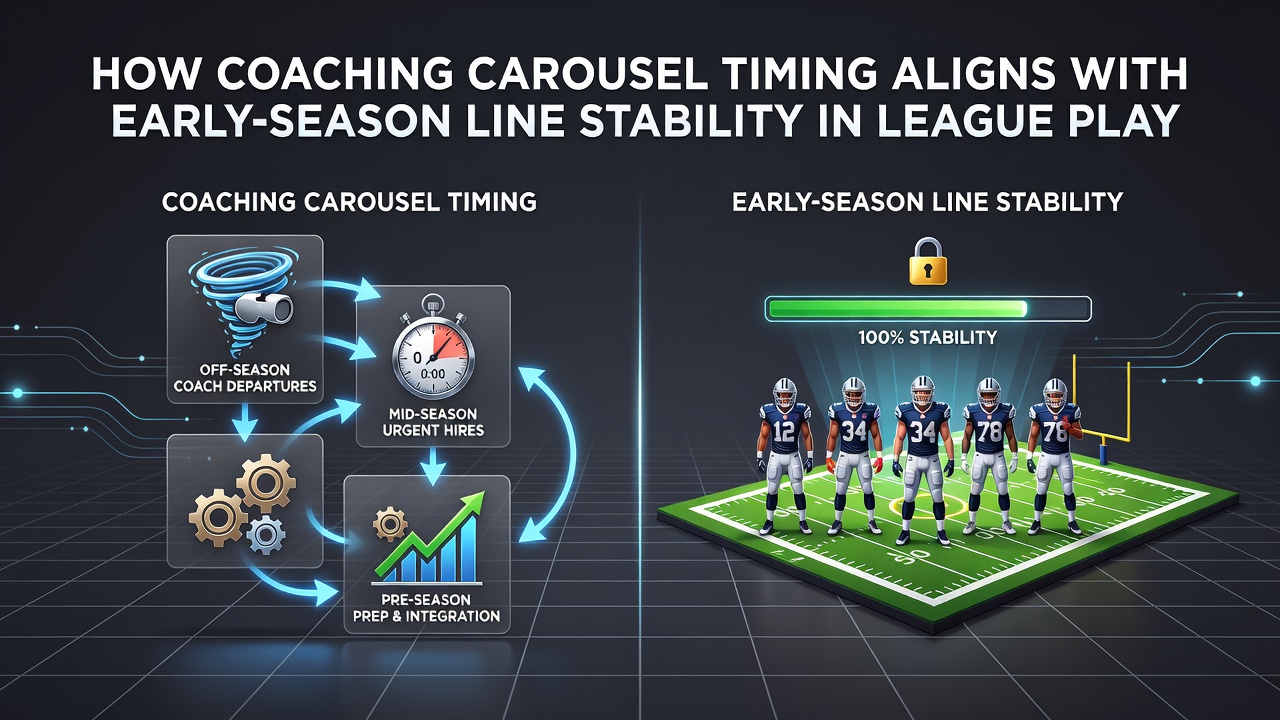
Coaching transitions in major professional leagues often cluster around specific calendar windows, and observers note that these shifts frequently coincide with periods when betting lines exhibit greater consistency in the opening weeks of play. Data from multiple seasons shows that firings and hirings peak in the off-season months, yet a secondary wave occurs during November when early results prompt organizations to act before mid-season breaks. Those patterns create measurable effects on how sportsbooks adjust spreads and totals as new leadership takes the helm.
Research from league performance databases indicates that teams undergoing coaching changes in October or early November tend to see their betting lines stabilize faster than those making mid-December adjustments. The alignment stems from preparation time, since incoming coaches inherit existing rosters but require several weeks to implement systems that influence game outcomes. Analysts tracking historical trends point out that early-season lines reflect roster continuity more heavily when leadership changes happen before training camps conclude, whereas later switches introduce volatility that lingers into January matchups.
Timing Patterns Across Major Leagues
Figures compiled by sports analytics firms reveal distinct cycles in the NBA, NFL, and NHL where November coaching moves correlate with tighter early-season line ranges. In the NBA for instance, teams that replaced head coaches before the 2025-2026 campaign opened posted opening-night spreads that moved less than three points on average through the first ten games, according to betting market records. Similar data from the NFL shows that organizations announcing new coordinators in the final weeks before training camp produced totals that held steadier against the over-under market compared with teams altering staff after Week 8.
What's notable is how preparation windows influence these outcomes. Coaches hired in the summer months gain full control over practice schedules and scheme installation, which leads to more predictable performance metrics that sportsbooks incorporate into early lines. In contrast, November hires often enter with limited practice opportunities, and this compressed timeline shows up in wider line fluctuations once games begin. Observers tracking 2026 developments have documented several cases where mid-November announcements preceded betting markets that required extra weeks to settle around new team identities.
Effects on Line Stability Metrics
Studies examining betting data from 2020 through 2025 demonstrate that coaching carousel timing directly affects variance in point spreads and moneyline odds during the first month of league play. Teams with stable leadership throughout the off-season experienced line movements averaging 1.8 points across opening games, while those with recent changes saw movements climb to 3.4 points before settling. The difference arises because new coaching philosophies alter pace, defensive schemes, and substitution patterns that directly shape statistical outputs used in line construction.
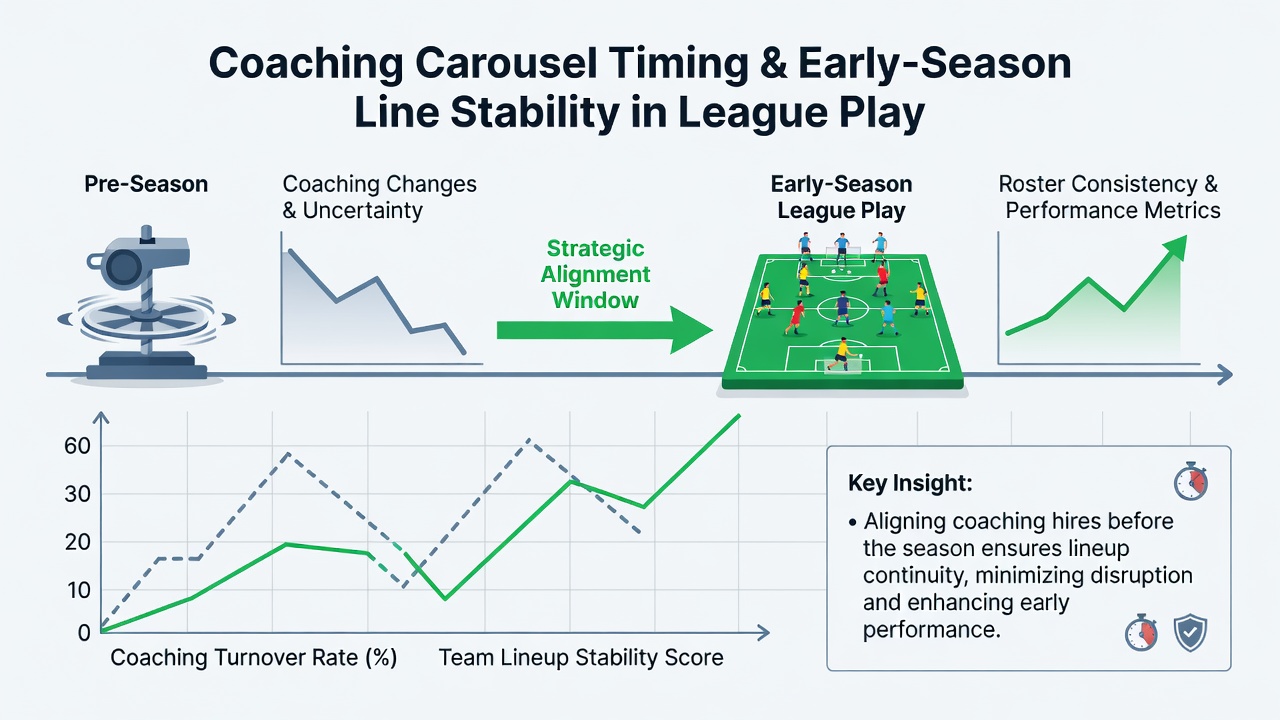
Canadian regulatory reports on gaming markets highlight parallel observations in North American leagues, noting that early-season stability improves when leadership transitions conclude before preseason schedules start. Australian industry analyses echo these findings, showing that leagues with fixed coaching calendars experience fewer mid-week line revisions in November contests. The convergence of these international datasets suggests that timing serves as a stronger predictor of market behavior than roster talent alone in many instances.
Case Examples From Recent Seasons
One documented instance involved an NBA franchise that dismissed its head coach in late October 2025 and installed an interim leader before the November schedule intensified. Betting lines for that team opened with modest movement in the first fortnight, then tightened as the new system took shape in game footage reviewed by oddsmakers. Another example from the NHL during the same period showed a team announcing a coaching change on November 12, after which early-season totals fluctuated more than league averages until the holiday break allowed additional preparation time.
Those patterns repeat across multiple years because organizations rarely execute coaching changes during active competition windows without immediate performance pressure. Data indicates that the November cluster of moves aligns with the point where early-season records become available yet full mid-season adjustments remain weeks away, creating a window where lines reflect transitional uncertainty before new routines solidify.
Conclusion
Evidence from performance tracking and betting market records confirms that coaching carousel timing exerts measurable influence on early-season line stability across professional leagues. Transitions completed before training periods produce more consistent opening lines, while November shifts introduce temporary variance that resolves as implementation progresses. These alignments appear consistently in data spanning multiple seasons and geographic markets, underscoring the connection between leadership change schedules and how sportsbooks calibrate initial offerings.