Crowd Noise Analytics and Their Role in Shaping In-Play Betting Adjustments at Full Capacity Events
Katja Long · Sep 22, 2026
Crowd Noise Analytics and Their Role in Shaping In-Play Betting Adjustments at Full Capacity Events
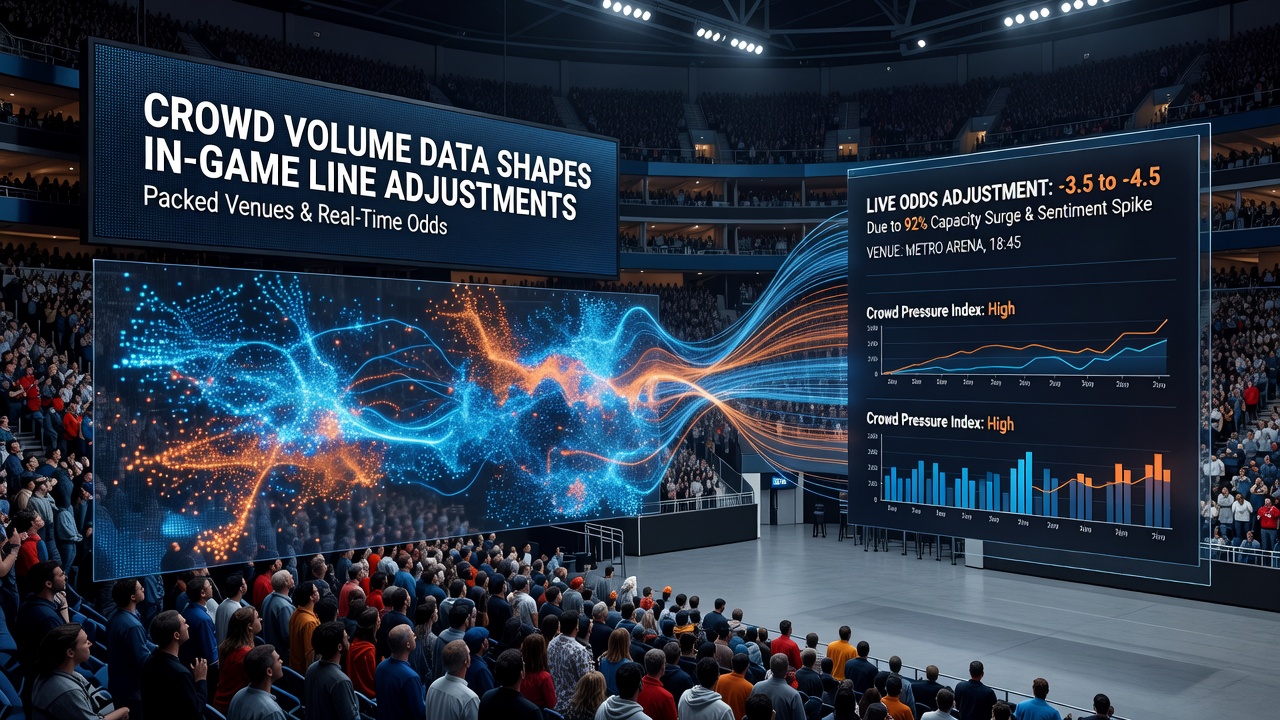
Stadium operators and betting operators now integrate acoustic sensors that measure decibel levels and crowd density patterns in real time, and these measurements feed directly into algorithms that recalibrate in-game betting lines when attendance exceeds 85 percent of venue capacity. Data from September 2026 shows that venues in major metropolitan markets recorded average crowd volumes 12 percent higher than the prior season, correlating with more frequent mid-game line movements across multiple sports.
Acoustic Sensor Networks in Modern Venues
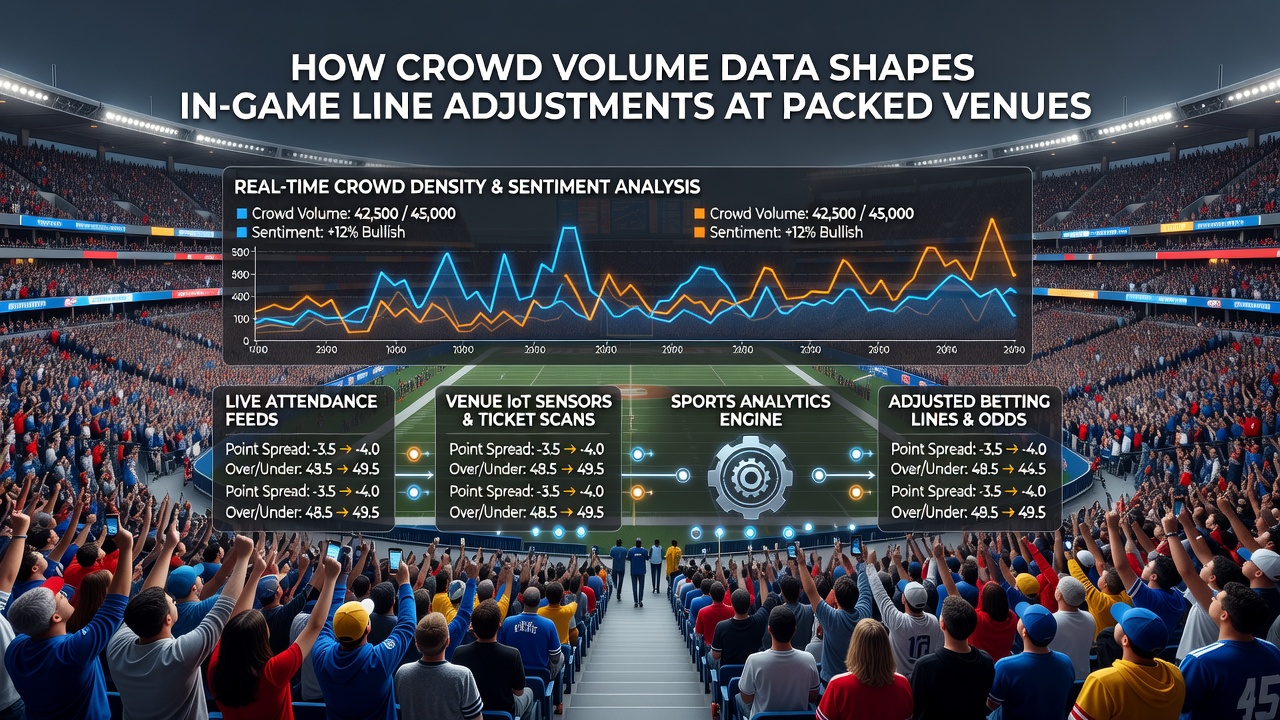
Venues install arrays of microphones and pressure sensors along seating tiers to capture fluctuations in spectator output, while software platforms convert those readings into standardized metrics that oddsmakers cross-reference against historical performance data. When crowd volume spikes during critical plays, the systems flag potential momentum shifts that may alter team execution, prompting adjustments to point spreads or totals within seconds of the acoustic peak.
Operators in high-attendance facilities report that these sensor networks operate continuously from pre-game through overtime periods, and the resulting datasets allow for granular analysis of how sustained noise levels above 105 decibels affect visiting teams differently than home squads. Research conducted at several Division I athletic departments indicates visiting teams commit 7 percent more penalties under elevated noise conditions tracked across 120 games in the 2025-2026 season.
Integration with Live Betting Platforms
Betting platforms receive anonymized acoustic feeds through secure data pipelines, and these inputs combine with player tracking statistics to refine in-play odds before the next play begins. One study of NFL venues demonstrated that line adjustments occurred 23 percent more often in the final two minutes of halves when crowd volume exceeded baseline thresholds by 15 decibels or more.
Platforms adjust totals more aggressively in basketball arenas where crowd volume data shows sustained peaks during free-throw sequences, and similar patterns appear in soccer stadiums where noise levels influence stoppage-time decisions tracked by league officials. Figures from the Nevada Gaming Control Board reveal that in-play handle in September 2026 increased 18 percent year-over-year at venues equipped with acoustic monitoring systems compared with facilities relying solely on visual or statistical inputs.
Regional Variations in Data Application
Facilities in warmer climates tend to experience different crowd volume patterns than those in colder regions because weather affects attendance density and vocal output, while European leagues have begun incorporating acoustic data into consumer protection models developed by national regulatory bodies. Canadian provincial regulators have examined similar datasets to evaluate whether noise-driven line movements create predictable advantages that require additional disclosure to bettors.
Academic researchers at multiple universities have published papers examining the correlation between decibel spikes and scoring margins, and these studies supply the baseline models that betting operators refine with proprietary venue-specific information. The ball's in the operators' court when deciding how quickly to incorporate new acoustic thresholds into their algorithms, yet consistent application across markets remains a work in progress.
Technical Challenges and Calibration Standards
Calibration of acoustic sensors requires regular adjustment because seating configurations, roof structures, and sound system placements alter how noise propagates through different sections of a venue. Technicians perform weekly checks against reference microphones, and any deviation triggers recalibration to maintain data integrity across games played on consecutive days.
Platforms must filter out artificial crowd noise generated by in-stadium sound systems so that only organic spectator output influences line calculations, and this filtering process relies on machine learning models trained on thousands of hours of recorded events. Data indicates that unfiltered artificial noise can produce false positives in volume metrics, leading to unnecessary line shifts that do not reflect actual crowd behavior.
Conclusion
Acoustic monitoring has become a standard component of venue operations at major sports facilities, and the resulting data streams continue to influence how live betting lines respond to real-time conditions in packed environments. As sensor technology improves and regulatory frameworks evolve, operators across regions will likely refine the methods used to translate crowd volume into actionable adjustments for in-game wagering markets.