Elevation's Influence on Performance Metrics and Betting Lines at Denver's Mile High Stadium
Mara Perry · Aug 13, 2026

Elevation's Influence on Performance Metrics and Betting Lines at Denver's Mile High Stadium
Denver sits at 5,280 feet above sea level, a fact that shapes athletic performance in ways that extend directly into wagering markets for events at Empower Field at Mile High. Athletes encounter reduced oxygen availability, which affects endurance, recovery times, and power output during competition. Visiting teams often face steeper adjustments than the home squad, whose players train regularly at this elevation and develop physiological adaptations over time.
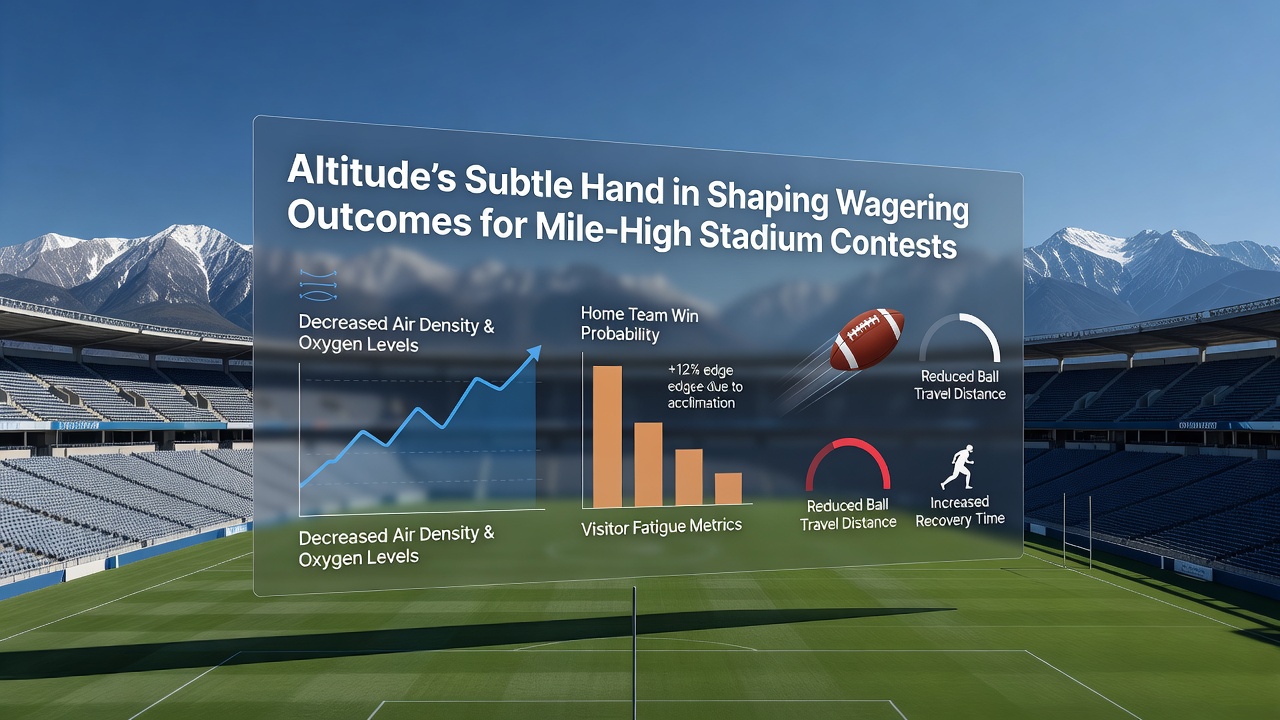
Research from exercise physiology programs shows that aerobic capacity drops noticeably above 5,000 feet, with measurable declines in repeated sprint efforts and late-game stamina. These shifts alter scoring patterns, time of possession statistics, and injury rates, all of which feed into pre-game point spreads and over-under totals set by oddsmakers. Bettors who track historical home-field advantages at this venue see consistent edges in certain prop categories, particularly those tied to rushing yards and total points.
Physiological Effects Documented in Competitive Data
Studies conducted by researchers at the University of Colorado have tracked how acclimatization periods of seven to ten days allow local athletes to maintain higher red blood cell counts and improved oxygen utilization compared with opponents arriving days before kickoff. Data collected across multiple NFL seasons reveals that visiting teams post lower average yards per play in the fourth quarter when games occur in Denver versus sea-level venues. These patterns appear in both regular-season and postseason contests, creating repeatable signals for line movement analysis.
August 2026 training camp reports from several teams preparing for early-season matchups in Denver highlighted specific conditioning protocols aimed at mitigating altitude stress, including hypoxic tent sessions and modified practice schedules. Observers note that teams implementing such strategies still experience measurable gaps in high-output plays during the opening half, before full adaptation occurs mid-game.
Market Adjustments and Line Movement Patterns
Oddsmakers incorporate altitude variables into initial lines through historical performance databases and advanced analytics models. Point spreads for Broncos home games typically reflect a 2.5 to 3.5 point advantage over neutral-site equivalents, while totals lean lower because of reduced offensive efficiency in the second half. Sharp bettors who monitor early line movement often find value in under totals or visiting-team underdog moneyline wagers when travel schedules limit acclimatization time.
Figures released by state regulatory bodies show that Colorado sportsbooks have processed consistent handle volumes on Broncos contests, with prop bets involving player rushing attempts and defensive takeaways showing elevated activity compared with other venues. These markets react quickly to news about visiting team arrival dates and reported altitude-related adjustments during warmups.
Case Examples from Recent Seasons
One analysis of 2025 Broncos home games found that opponents averaged 18 percent fewer rushing yards after contact in the final two quarters relative to their season norms at lower elevations. This trend produced noticeable overperformance on defensive player props and underperformance on offensive skill-position overs. Similar patterns emerged in college contests hosted at the same facility, where visiting conference teams posted reduced third-down conversion rates.
Industry reports from the European Gaming and Betting Association indicate that operators in regulated markets outside the United States have begun factoring venue-specific environmental data into their pricing algorithms for international betting pools. These models draw on meteorological records and GPS-tracked player workload metrics to refine expected value calculations for high-altitude events.
Long-Term Trends and Data Integration
Longitudinal datasets compiled by academic sports science centers show that the home advantage at Mile High has remained stable across decades despite changes in training techniques and equipment. Teams that schedule multiple days of pre-game acclimatization reduce the gap, yet residual effects persist in speed-position groups and special-teams units. Wagering syndicates that incorporate elevation-adjusted player efficiency ratings into their models have documented improved strike rates on correlated parlays involving total yards and game totals.
State gaming commissions in Colorado continue to publish aggregated handle and revenue figures that allow analysts to compare performance across different environmental conditions. These releases reveal elevated betting interest on Broncos home underdogs during periods when visiting teams face compressed travel schedules.
Conclusion
Altitude remains a measurable variable in both athletic output and market pricing at Denver's primary stadium. Performance databases, physiological research, and regulatory reporting together demonstrate how thin air translates into consistent statistical deviations that influence point spreads, totals, and prop lines. Those monitoring schedule logistics, acclimatization reports, and historical venue trends find structured inputs for evaluating wagers tied to Mile High contests.