How Altitude Changes in Mountain Venues Reshape Performance Metrics and Create Fresh Wagering Angles in Seasonal Outdoor Leagues
Morgan Werner · Jul 28, 2026
How Altitude Changes in Mountain Venues Reshape Performance Metrics and Create Fresh Wagering Angles in Seasonal Outdoor Leagues
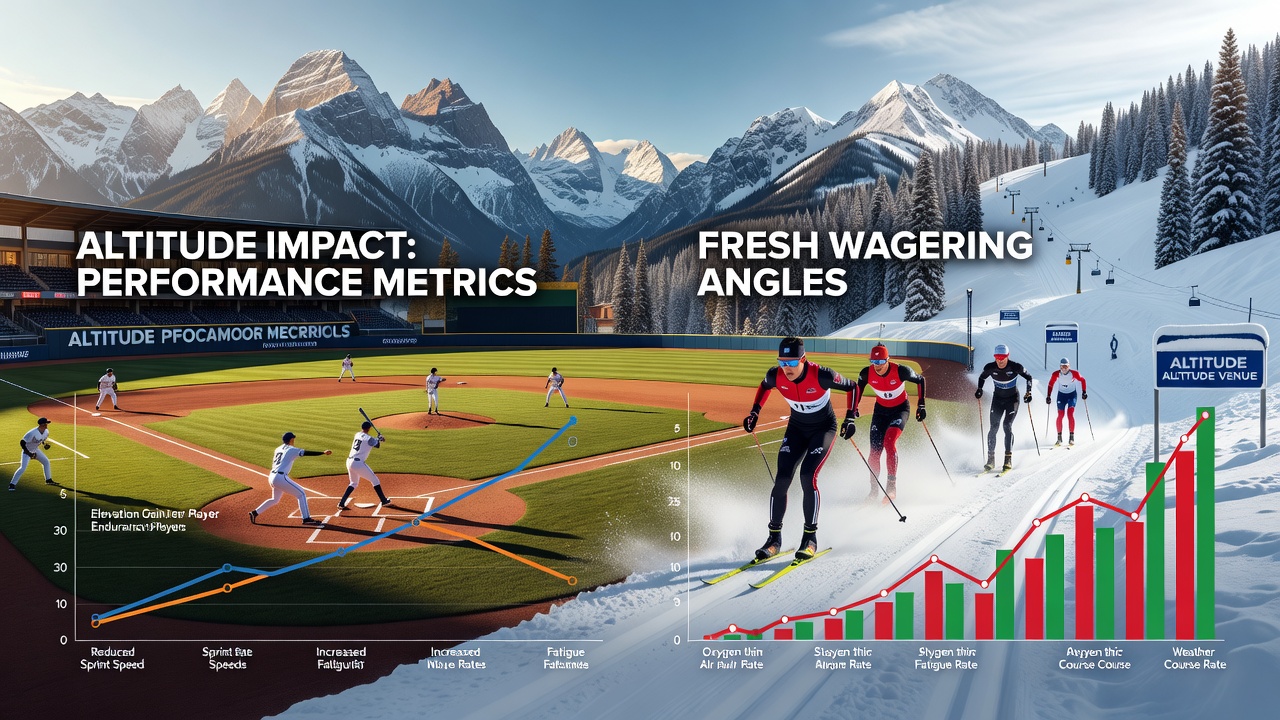
Seasonal outdoor leagues frequently schedule contests at mountain venues where reduced oxygen levels alter key performance indicators such as endurance capacity, sprint recovery rates, and power-based outputs, and these physiological shifts generate distinct patterns that influence both game results and associated betting markets. Research from institutions like the University of Colorado Boulder documents how air density drops by roughly 12 percent at 5,000 feet above sea level, which reduces aerodynamic drag in events like baseball while simultaneously limiting aerobic respiration during prolonged efforts in soccer or cycling.
Data collected across multiple MLB seasons at Coors Field in Denver shows home-run rates increase by 20 to 30 percent compared with sea-level parks, and similar elevation-driven spikes appear in batting averages and extra-base hits when visiting clubs arrive without adequate acclimatization time. Observers note that pitchers experience faster arm fatigue because thinner air carries the ball farther yet provides less resistance on breaking pitches, which leads to elevated earned-run averages and more walks in early innings.
Physiological Mechanisms Behind Metric Shifts
Reduced partial pressure of oxygen forces the body to elevate heart rate and breathing frequency to maintain oxygen delivery to muscles, and this compensatory response appears most pronounced during the first 48 hours after ascent. Studies published through the Australian Institute of Sport track how hemoglobin saturation falls from 97 percent at sea level to approximately 90 percent at 7,000 feet, which directly correlates with measurable declines in repeated sprint performance and decision-making speed during the final 30 minutes of matches. Teams that incorporate altitude-specific training camps report faster stabilization of these metrics, whereas squads arriving on game day display consistent drops in total distance covered and high-intensity running volume according to GPS tracking data.
Examples Across Seasonal Outdoor Leagues
In South American soccer leagues, clubs playing at Estadio Hernando Siles in La Paz, Bolivia, at 11,942 feet routinely post higher possession percentages because opponents struggle to press effectively, and historical match logs reveal visiting sides concede 1.8 more goals per game on average during the first half. Cycling stage races through the Alps and Pyrenees demonstrate comparable effects where riders from lowland teams lose 30 to 60 seconds per kilometer on climbs above 6,500 feet compared with their high-altitude acclimated rivals. July 2026 schedules include multiple fixtures in elevated venues across North American and European circuits, and early season data already indicates line movements that reflect these established patterns when bookmakers adjust totals and player props accordingly.
Wagering Angles Derived from Elevation Data
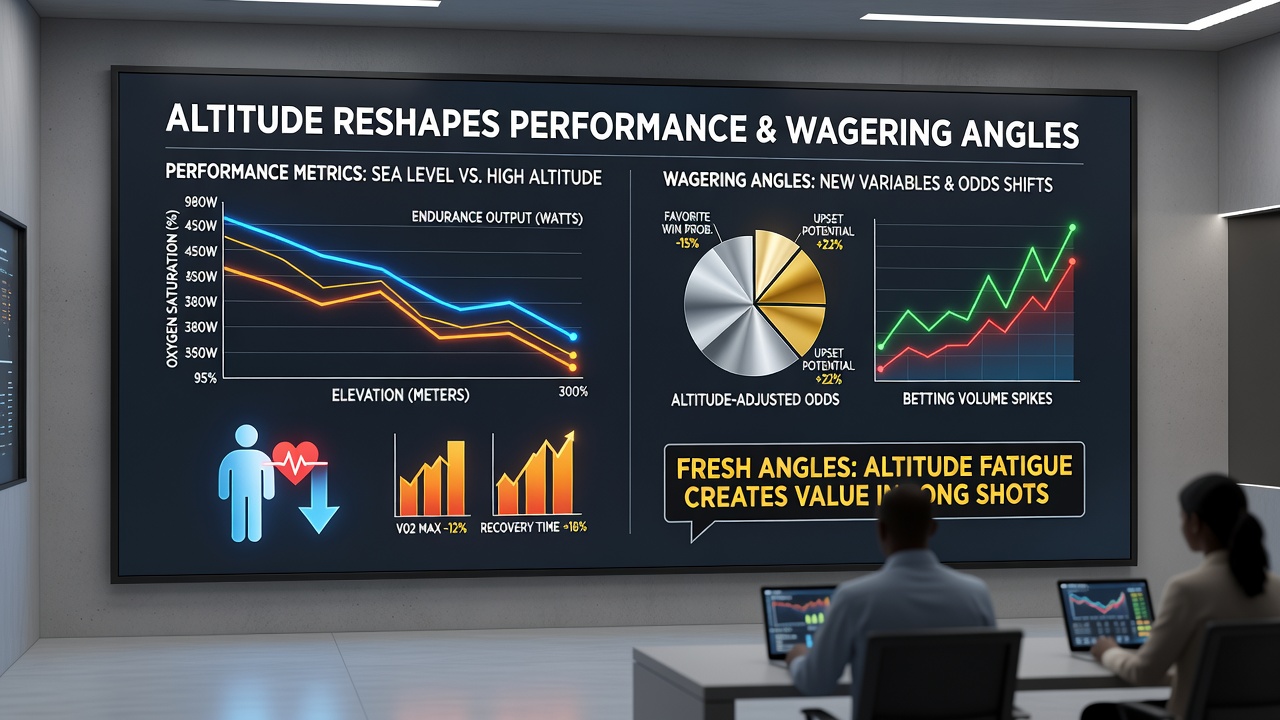
Bettors who integrate altitude-adjusted models gain edges in over/under markets because run totals at Coors Field exceed league averages by nearly two runs per game, while unders become more reliable in lower-scoring soccer matches at extreme elevations due to reduced overall pace. Prop bets on individual player stamina or pitch counts also shift when algorithms incorporate recent travel history and prior altitude exposure, and several industry reports from the European Gaming and Betting Association highlight how these venue-specific adjustments create pricing discrepancies that persist for several hours after lines open. Those who monitor acclimatization protocols through team announcements often identify value in live betting windows when early-game metrics deviate from expected norms.
Integration with Broader Seasonal Trends
League-wide datasets now incorporate elevation as a standard variable alongside weather, travel distance, and rest days, and this approach reveals that certain franchises maintain consistent advantages at specific mountain sites while others show repeatable declines. Canadian regulatory filings on gaming activity note increased handle volume on altitude-related props during summer months when schedules cluster games in the Rockies and Andes regions. The convergence of real-time biometric feeds and historical performance databases allows for more precise modeling, yet the core driver remains the measurable impact of oxygen availability on physical output.
Conclusion
Altitude variations in mountain venues produce predictable alterations in performance metrics across seasonal outdoor leagues, and these documented shifts continue to inform both competitive strategies and wagering frameworks as data collection expands. Teams and markets alike respond to the same underlying physiological realities, which ensures that elevation remains a durable factor in outcome prediction throughout each campaign.