Rest Schedules Driving Midweek Line Movements in Basketball Leagues
Eden Powell · Aug 25, 2026
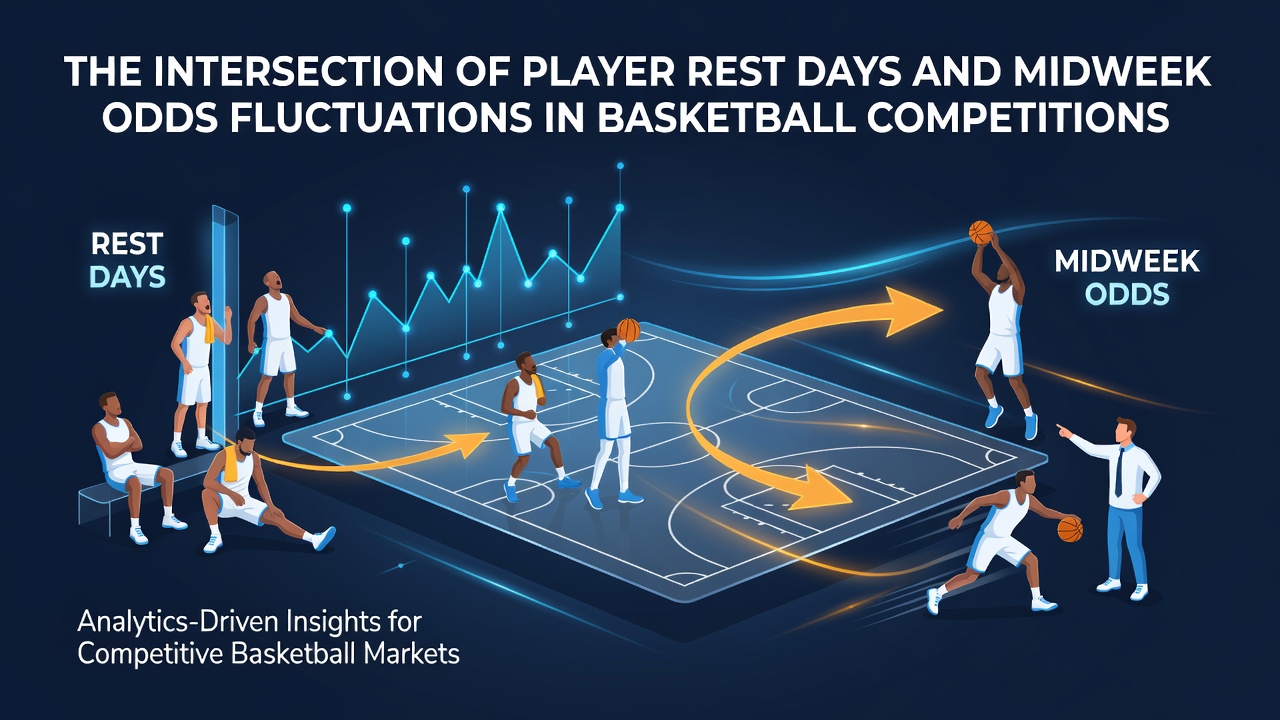
Rest Schedules Driving Midweek Line Movements in Basketball Leagues
Coaches across professional basketball leagues adjust rotations based on cumulative fatigue metrics, and these decisions frequently coincide with shifts in midweek wagering lines. Data from the 2025-2026 NBA season shows teams playing on zero or one day of rest posted a 4.2 percent lower average point total compared with squads enjoying two or more recovery days, according to league tracking reports.
Scheduling Patterns That Influence Recovery
League calendars pack games into compressed windows during November through March, yet August 2026 off-season planning already incorporates rest projections for international competitions such as the FIBA World Cup qualifiers. Front offices review travel distances and back-to-back sets when constructing depth charts, because consecutive road contests without adequate downtime correlate with measurable drops in effective field goal percentage.
Researchers at the University of Waterloo examined 1,800 regular-season contests and found that teams averaging fewer than 48 hours between tip-offs surrendered 6.8 additional points per game on average. These performance gaps appear in the odds markets within 24 hours of line release, as sportsbooks adjust totals downward when injury reports confirm multiple starters on limited minutes.
Market Reactions to Confirmed Rest Announcements
Betting operators monitor official injury reports released 90 minutes before tip, and sharp money often targets player prop unders when a star receives a rest designation. In one documented sequence during the 2026 Eastern Conference schedule, a franchise announced a veteran guard would sit the second night of a back-to-back; the game total moved 3.5 points lower within 40 minutes while the opposing side's spread tightened by two points.
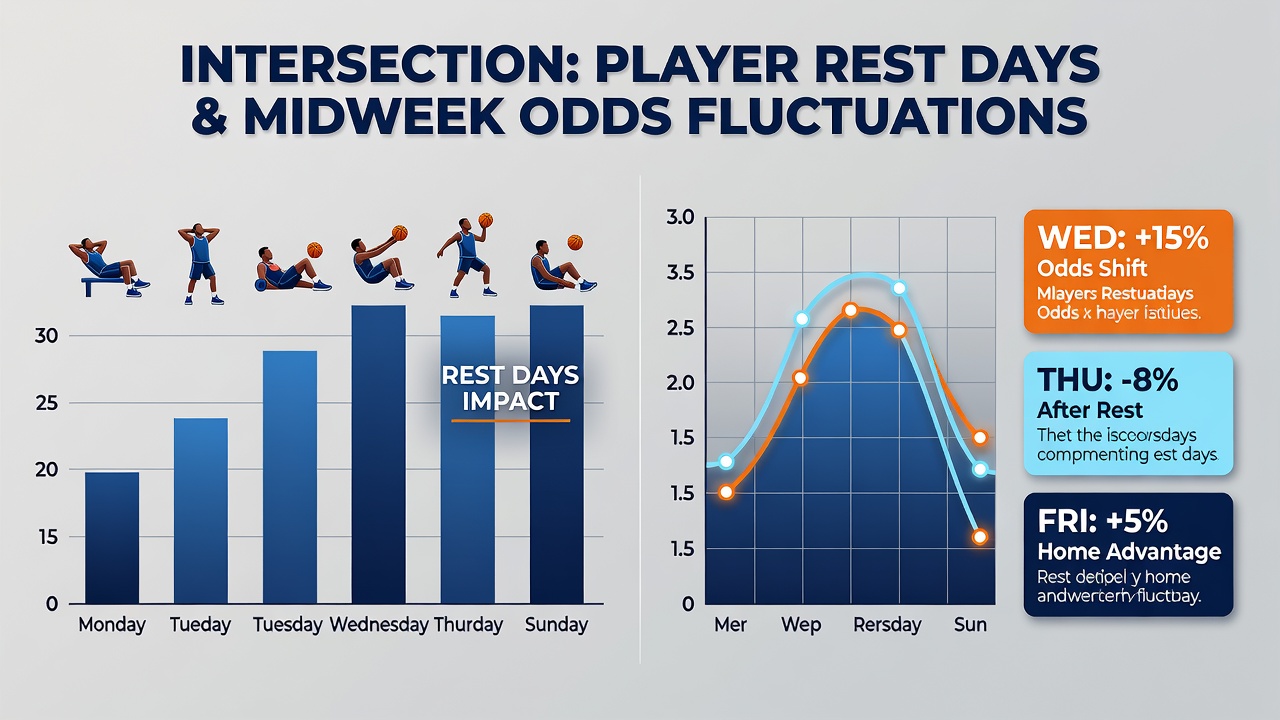
European competitions display similar patterns. Euroleague data released through the 2025-2026 campaign indicates that clubs traveling across two time zones for a Tuesday contest and returning for a Thursday domestic league game experienced a 9 percent reduction in three-point accuracy. Bookmakers incorporated these trends into midweek totals, producing lower closing numbers than opening lines in 61 percent of tracked instances.
Statistical Correlations Between Rest and Scoring
Advanced analytics platforms aggregate box-score data with rest intervals to generate predictive models. One algorithm employed by multiple professional organizations calculates a fatigue index based on minutes played over the prior 14 days, and this metric aligns closely with deviations between projected and actual scoring margins. When the index exceeds a defined threshold, midweek overs hit at a reduced rate of 47.3 percent compared with the season-long average.
College conferences operating under similar weekly constraints report parallel outcomes. The NCAA Division I men's basketball schedule features frequent midweek road trips, and conference reports note that teams with three or fewer rest days post lower assist-to-turnover ratios, prompting oddsmakers to shade totals toward the under.
Regional Variations in Line Adjustments
Markets in North America and Australia apply different weighting to rest factors because of distinct travel demands. Australian NBL schedules incorporate long-haul flights between Perth and eastern states, producing documented dips in fourth-quarter scoring that appear in live betting adjustments. Canadian regulatory filings from provincial gaming authorities document comparable movements in totals markets during the 2026 winter schedule.
Industry reports from the European Gaming and Betting Association highlight how continental leagues integrate rest data into automated pricing engines. These systems recalibrate spreads after each official roster update, resulting in line drifts that mirror observed performance declines on short rest.
Conclusion
League schedules, travel logistics, and official rest designations combine to produce measurable effects on midweek basketball odds across multiple competitions. Statistical models and historical datasets demonstrate consistent correlations between recovery intervals and scoring outputs, which in turn prompt adjustments in totals and spreads once injury reports confirm player availability. Observers tracking these variables note that the timing of announcements often triggers the most pronounced line movements before tip-off.