Time Zone Disruptions and Their Measurable Effects on Performance Lines in Intercontinental Athletic Events
Mara Perry · Jun 4, 2026
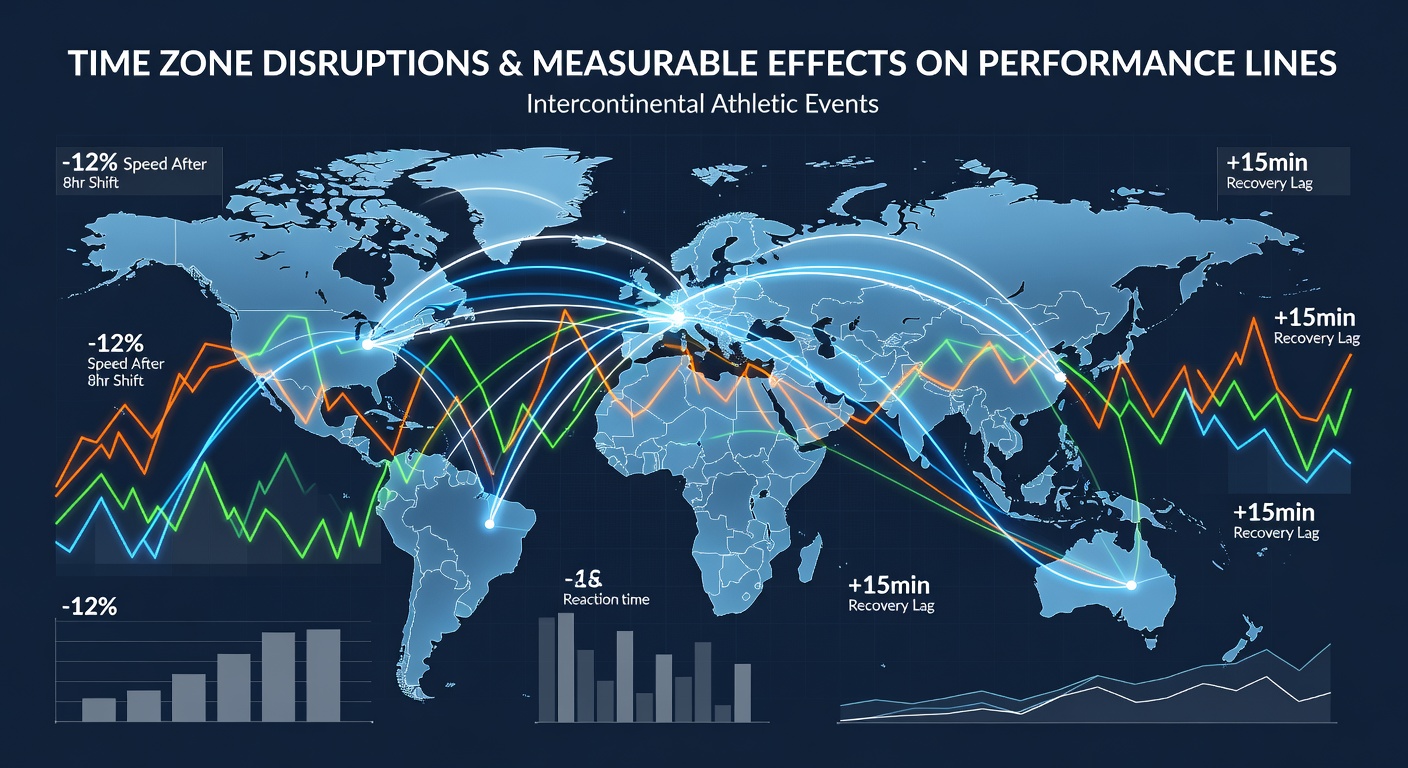
Time Zone Disruptions and Their Measurable Effects on Performance Lines in Intercontinental Athletic Events
Understanding Circadian Rhythm Shifts in Global Travel
Intercontinental athletic events force competitors across multiple time zones where circadian rhythms face abrupt realignment and performance indicators shift in measurable ways according to sports science data. Researchers track these changes through sleep studies and physiological monitoring that reveal consistent patterns in endurance, reaction time, and strength output when athletes move from one continent to another. Data from major competitions shows that eastward travel tends to create more pronounced disruptions than westward journeys because the body struggles to advance its internal clock rather than delay it.
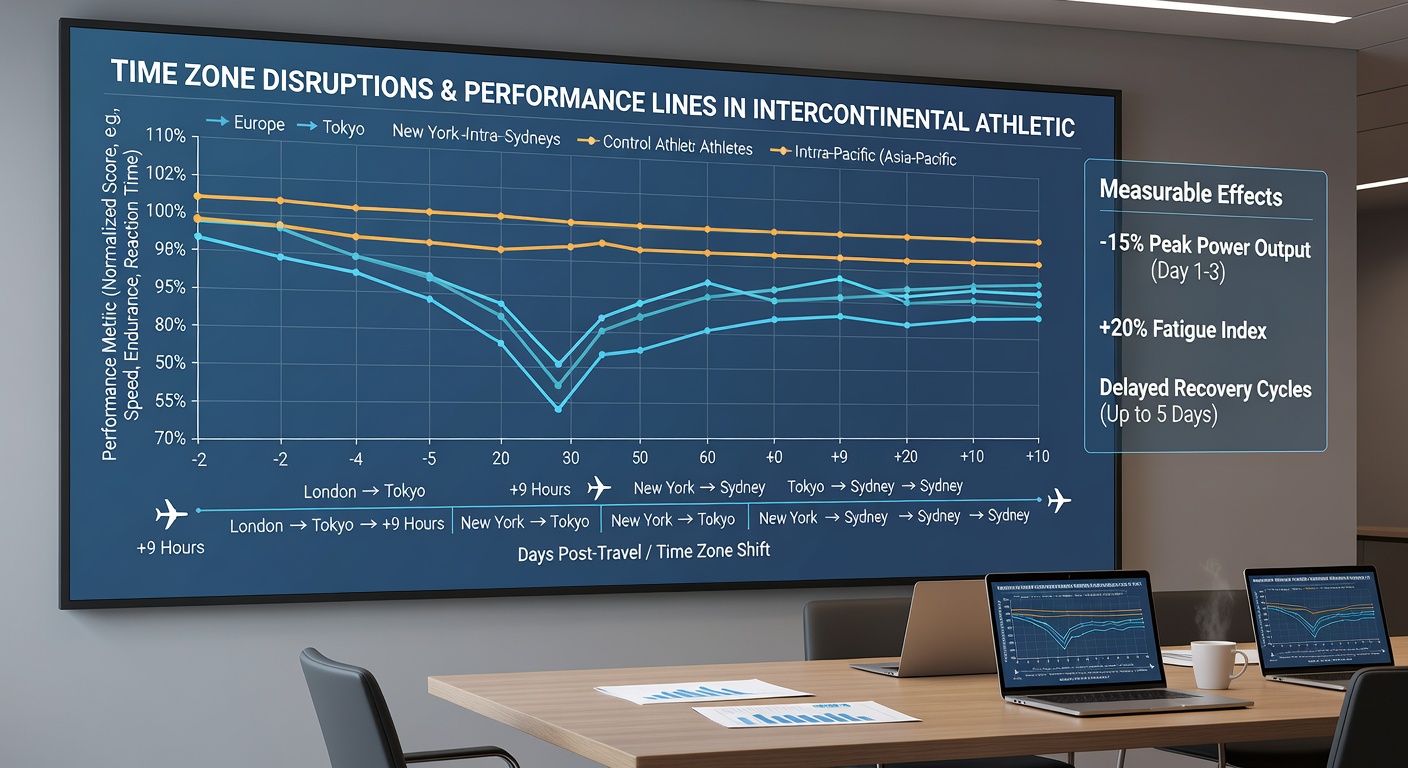
Studies compiled by the Australian Institute of Sport demonstrate that athletes lose between one and two hours of effective adjustment per time zone crossed and this compounds during events like the Olympics or World Athletics Championships. Observers note that performance lines in track and field events often dip by 1 to 3 percent in the first 48 hours after arrival while team sports show similar declines in sprint speed and decision-making accuracy. Those patterns hold across multiple datasets gathered from athletes who compete in both hemispheres within short time frames.
Documented Impacts on Specific Athletic Metrics
Measurable effects appear in heart rate variability, cortisol levels, and muscle recovery rates when time zone crossings exceed four hours and these factors directly influence competitive outcomes. One study tracked swimmers who traveled from Europe to Australia and recorded slower lap times in morning heats compared to evening sessions even after several days of acclimatization. Similar findings emerged from basketball tournaments where free throw percentages dropped noticeably during the initial adjustment period before stabilizing.
June 2026 brings several high-profile intercontinental fixtures including qualifying rounds for upcoming global championships that will again test these variables under real-world conditions. Event organizers have begun incorporating pre-travel light exposure protocols and scheduled training sessions timed to destination hours yet measurable gaps remain between baseline performance and post-travel results. Evidence from previous cycles indicates that individual responses vary based on age, chronotype, and prior travel experience with younger athletes often recovering faster than veterans.
Strategies Employed by Teams and Federations
Coaching staffs now use targeted interventions such as melatonin timing, controlled light exposure, and phased training loads to mitigate disruptions and these approaches show measurable returns in recovery speed. Federations from North America and Europe have shared protocols through international sports medicine networks and the results indicate reduced variance in performance lines when athletes follow structured adjustment plans. Data collected during the 2024 and 2025 seasons reveals that teams employing these methods maintained closer to baseline output in strength-based events compared to those relying on natural adaptation alone.
Performance tracking systems employed by national programs log daily metrics including grip strength, vertical jump, and cognitive reaction tests and these records highlight the temporary dips that occur after long-haul flights. What's interesting is how certain positions in team sports demonstrate greater sensitivity with goalkeepers and pitchers showing larger deviations in accuracy metrics during the first three days post-travel. Researchers continue to refine predictive models that incorporate time zone differentials alongside travel duration and competition schedules to better forecast expected performance ranges.
Broader Patterns Across Multiple Seasons
Longitudinal analysis of intercontinental events reveals recurring trends where westward travel correlates with stronger evening performances while eastward shifts favor later-day competitions once partial adjustment occurs. These patterns appear consistently in data from soccer leagues that schedule matches across continents and in combat sports tournaments that draw competitors from every major time zone. Organizations such as the International Olympic Committee have funded additional research into these dynamics to inform future event planning and athlete welfare guidelines.
University-led investigations from institutions in Canada and Japan have examined genetic markers that influence adaptation speed and early results suggest certain populations may experience faster realignment of melatonin cycles. This line of inquiry opens new avenues for personalized preparation programs that account for individual biological factors rather than applying uniform strategies across entire squads. Performance lines in endurance events show particular sensitivity to these variables because sustained effort amplifies small deficits in recovery and hydration that stem from disrupted sleep architecture.
Conclusion
Time zone disruptions produce quantifiable shifts in athletic performance that persist across different sports and competition formats yet targeted interventions continue to narrow those gaps. Ongoing data collection from events scheduled through 2026 and beyond will refine understanding of how these factors interact with training status and environmental conditions at each venue. Those involved in preparing athletes for intercontinental travel now integrate circadian science directly into planning processes because the measurable effects on performance lines demand systematic attention rather than ad-hoc responses.