Unpacking the Effects of Coaching Changes on Early Season Wagering Patterns in Team Sports
Eden Powell · Jun 21, 2026
Unpacking the Effects of Coaching Changes on Early Season Wagering Patterns in Team Sports
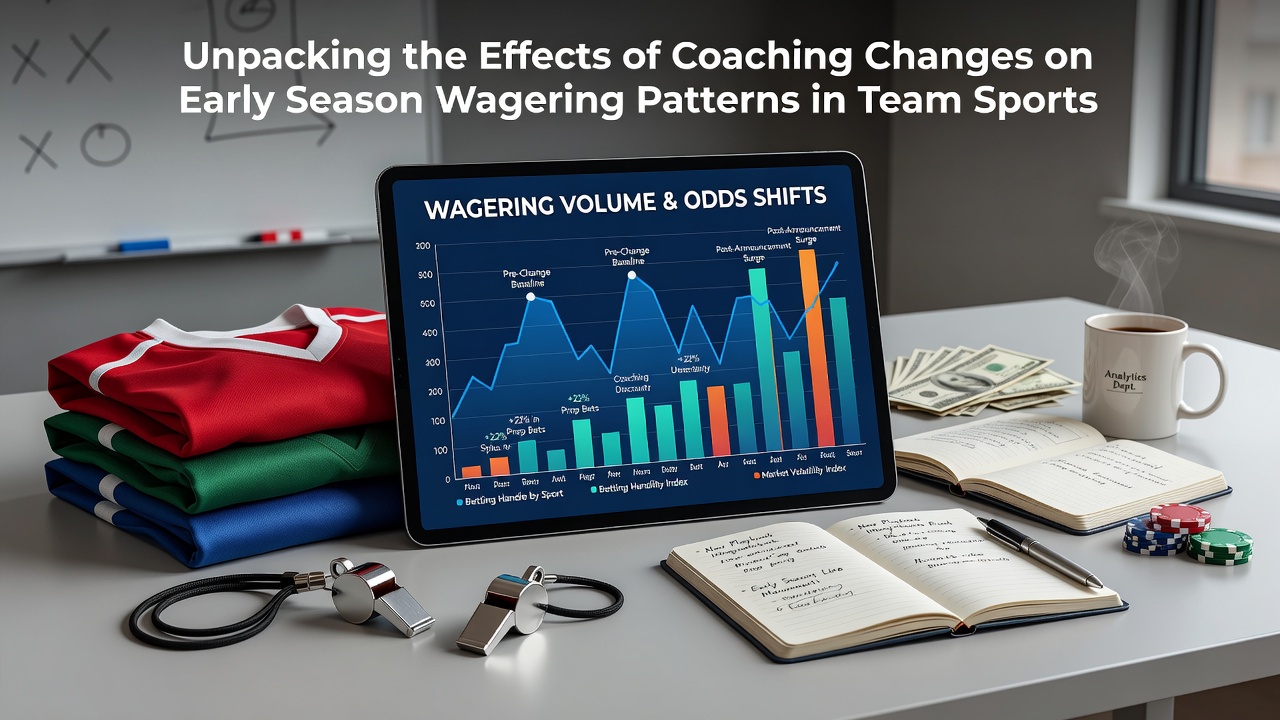
Coaching changes reshape team dynamics in ways that directly alter early season outcomes, and betting markets respond with noticeable shifts in line movement and wagering volume. Observers note that new leadership often brings revised offensive schemes or defensive priorities, which take several weeks to stabilize, creating measurable discrepancies between preseason projections and actual results that sportsbooks incorporate into their initial offerings.
Historical Trends in Performance After Coaching Shifts
Research from league archives shows teams installing new head coaches post off-season post win percentages below 45 percent in their first eight games across multiple seasons in both the NFL and NBA. These patterns emerge because players adjust to different play-calling tempos and practice emphases, while opponents exploit unfamiliar tendencies before adjustments occur. Data compiled through 2025 indicates similar dips in MLB clubs that replace managers mid-campaign, though the effect compresses into fewer games due to the longer schedule.
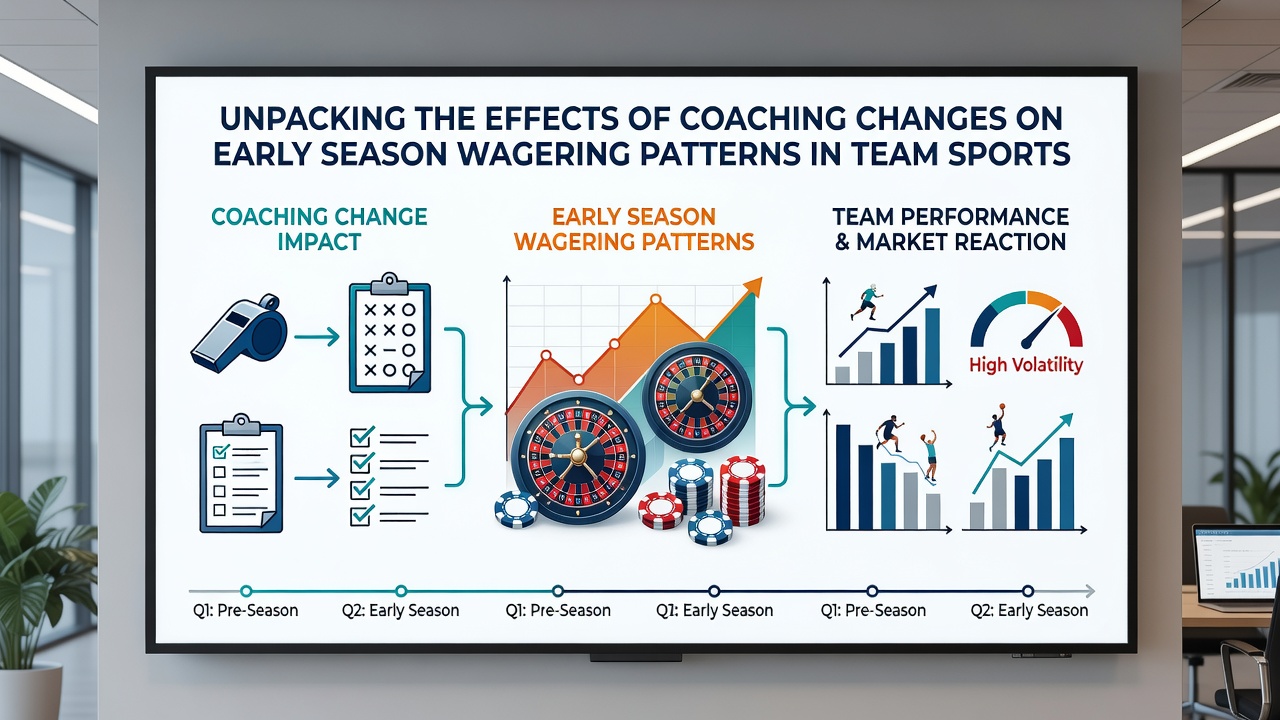
Betting markets price these transitions conservatively at first, often listing affected teams as underdogs even against comparable opponents, and sharp money frequently targets the opposing side during opening weeks until statistical evidence accumulates.
Wagering Volume and Line Adjustments in Early Weeks
Figures from major sportsbooks reveal increased handle on totals when coaching changes occur, because new systems tend to produce higher variance in scoring during the adjustment period. In the NBA for instance, games involving recently hired coaches show an average 4.2 point increase in combined scoring compared to the prior season average for those franchises, prompting early over bets that push lines upward within the first month.
Public bettors lean toward the new coach narrative in many cases, creating temporary value on the underdog when the line moves too far in the opposite direction, while professional syndicates counter with larger wagers on established trends until the market stabilizes around week six or seven.
League-Specific Patterns and Market Responses
The NFL exhibits the clearest early season effects because the 17-game schedule leaves little room for prolonged experimentation, and data from the 2025 campaign showed teams with first-year coaches covering the spread at just 38 percent through October. Sportsbooks respond by shading totals lower for these squads until offensive rhythm improves, and sharp action often flows toward opponents in divisional matchups where familiarity advantages persist.
Meanwhile NBA markets demonstrate quicker adaptation because of higher game frequency, with lines reflecting coaching impacts within three weeks as advanced metrics like pace and efficiency become available. MLB presents a different profile where managerial changes influence bullpen usage and lineup construction, leading to modest shifts in run totals that appear in futures markets rather than daily wagers.
Statistical Correlations and External Factors
Analyses from university research groups connect coaching tenure length to specific betting metrics, noting that franchises in the first year under new leadership see a 12 percent rise in public betting on overs during home games. External variables such as player acquisitions and training camp injuries compound these effects, yet core patterns hold across datasets when isolating the coaching variable alone. In June 2026 several teams announced front office restructurings ahead of training camps, setting the stage for similar early season volatility as markets open for the upcoming campaigns.
According to reports issued by the American Gaming Association, handle on early season NFL games involving coaching transitions rose 9 percent year-over-year in 2025, driven by both recreational interest and professional syndicates seeking inefficiencies before lines fully adjust.
Regional Market Variations and Data Tracking
Markets in different jurisdictions display subtle differences in how they price coaching changes, with Nevada operators historically moving totals faster than those in emerging states due to deeper historical datasets. Canadian regulatory tracking through provincial gaming authorities shows comparable volume spikes when NBA teams undergo leadership shifts, though overall handle remains smaller relative to U.S. figures. These variations allow cross-market arbitrage opportunities that sophisticated bettors monitor through aggregated line services.
Conclusion
Coaching transitions generate predictable early season performance deviations that betting markets translate into adjusted lines and altered wagering flows, and accumulated data across leagues confirms these relationships persist season after season. Market participants who track coaching histories alongside performance indicators gain clearer context for interpreting initial odds movements, while sportsbooks refine their models to account for the temporary inefficiencies that arise during adjustment periods.